
Introduction
Not all CBD hash is created equal.
From soft, resinous varieties to traditional-style pressed hash, there's plenty of variation in texture, aroma, cannabinoid concentration and production quality.
But how do you know whether a CBD hash product is actually good quality?
A high CBD percentage or an impressive product photograph doesn't tell the whole story. The quality of the original hemp, how the resin was collected, how the hash was processed and whether the finished product has been independently tested all matter.
Here's what to look for when comparing CBD hash.
1. Check the CBD and Cannabinoid Content
One of the first things you'll notice when browsing CBD hash is the advertised CBD percentage.
You might see products described as containing 20%, 25% or higher concentrations of CBD.
While these figures can be useful, they shouldn't be your only consideration.
The cannabinoid profile may include CBD alongside CBDA and smaller amounts of other naturally occurring cannabinoids.
It's important to understand what a percentage represents. Some reports distinguish CBD from CBDA, while others use a calculated total CBD figure.
A clear product description should explain the reported concentration rather than relying entirely on a large percentage in the product title.
2. Look for Independent Laboratory Testing
Independent testing is one of the most useful ways to assess the cannabinoid content of hemp products.
A certificate of analysis (COA) provides information about a laboratory-tested sample.
Depending on the scope of testing, the report may identify:
-
CBD and other cannabinoid concentrations
-
THC and other controlled cannabinoids
-
Testing date
-
Sample identification
-
Laboratory information
-
Results in percentages or other measurement units
Additional tests may assess contaminants such as pesticides, heavy metals or microbial contamination.
Not all certificates include these additional tests, so check which analyses were actually performed.
Ideally, the report should correspond to the particular batch being sold.
3. Understand CBD Hash Texture
CBD hash comes in several different textures, and each can tell you something about how the material was processed.
Soft and resinous CBD hash
Some hash products have a soft, pliable or slightly sticky consistency.
This can reflect their resin composition, moisture content and manufacturing conditions.
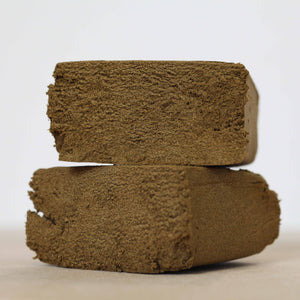
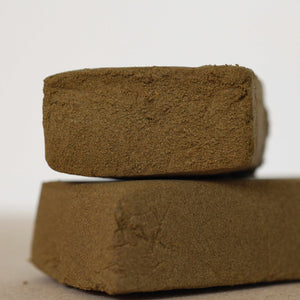
Dry and crumbly CBD hash
Other varieties are noticeably drier and break apart more easily.
This texture can be associated with particular resin-processing techniques or storage conditions.
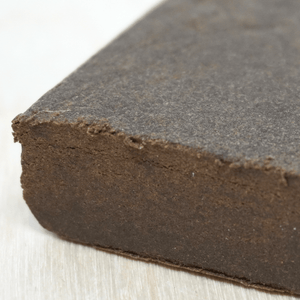
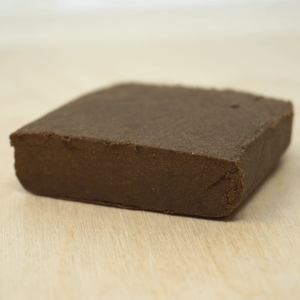
Firm and pressed CBD hash
Some hash is formed into dense blocks or pieces with a relatively firm consistency.
The degree of compression and other processing variables influence this texture.
No single texture guarantees quality. A soft product is not necessarily better than a dry one.
The key is understanding the product's characteristics and looking for consistency, appropriate storage and reliable documentation.
4. Pay Attention to the Terpene Profile
Terpenes are naturally occurring aromatic compounds found in hemp and many other plants.
They contribute to the distinctive aromas associated with different hemp varieties and resin products.
Depending on the source material, CBD hash may have:
-
Earthy notes
-
Woody aromas
-
Herbal characteristics
-
Citrus notes
-
Fruity aromas
-
Spicy or pine-like scents
The original hemp strain can have a significant influence on the aromatic profile.
However, processing and storage also matter because some terpenes are volatile and can change over time.
A stronger smell doesn't automatically indicate a higher cannabinoid concentration.
For more information, check out our guide to terpenes in CBD.
5. Consider How the Hash Was Produced
The production method can influence both the appearance and composition of CBD hash.
Traditional resin separation methods focus on collecting trichomes from the plant material.
Commercial manufacturers may use different approaches to produce particular textures and resin concentrations.
When evaluating a product, useful questions include:
-
What hemp material was used?
-
Is the manufacturing method explained?
-
Are any additional cannabinoids or terpenes added?
-
Is the finished product tested?
-
Can the supplier identify the relevant batch?
Clear manufacturing information helps customers understand what they're comparing.
Be cautious of products with unexplained additives or unusually high cannabinoid claims unsupported by suitable testing.
6. Examine the Appearance
CBD hash can naturally vary in colour from pale golden shades to darker brown tones.
Colour can be influenced by the starting plant material, resin composition, processing and age.
A darker product isn't automatically lower quality, just as a lighter product isn't necessarily stronger or purer.
Product photographs can help you understand the expected appearance, but they cannot confirm cannabinoid content or product safety.
If a product has visible foreign material, unexplained contamination or signs of mould, it should not be used.
7. Check Freshness and Storage
Like other hemp products, CBD hash can be affected by heat, oxygen, light and moisture.
Poor storage may change its aroma, texture and overall condition.
Good packaging should protect the product from contamination and unnecessary exposure to the environment.
Look for packaging that includes:
-
Product name
-
Net weight
-
Batch or lot information
-
Supplier details
-
Relevant storage instructions
Keep the original label and store products according to the manufacturer's guidance.
If something appears unusual or damaged, contact the retailer rather than assuming the product is safe.
8. Don't Choose CBD Hash Based on Percentage Alone
It can be tempting to assume that the highest CBD percentage automatically means the best CBD hash.
In reality, a product's quality depends on several factors.
The hemp source, processing, purity, testing, freshness and aromatic character all contribute to the finished result.
For example, a product with a lower CBD concentration may have a different terpene profile or texture that makes it more interesting to someone comparing hemp resin products.
Rather than focusing on one number, look at the complete product description and any supporting evidence.
This principle also applies to CBD flower. Our guide to choosing high-quality CBD buds explains why cannabinoid percentages are only one part of assessing quality.
9. Choose a Transparent Supplier
A trustworthy supplier should make it easy to understand what a product contains and where it comes from.
Useful information includes the product's origin, cannabinoid content, relevant testing and details of the responsible business.
Transparency also means acknowledging the limits of what can be established through photographs, generic lab certificates or marketing descriptions.
Be particularly cautious of suppliers making unsupported medical claims or guaranteeing that products are lawful everywhere based solely on a THC percentage.
Explore CBD Hash at Little Collins
At Little Collins, we appreciate the differences that make hemp products distinctive.
From aroma and texture to cannabinoid composition, there's more to CBD hash than a percentage on the label.
Our CBD Hash collection features a selection of hemp resin products with different characteristics.
Explore the range, compare the individual product descriptions and check the available product information to find out more.
You can also read our beginner's guide to CBD buds to learn more about the plant material behind CBD hash.
Medical and Legal Disclaimer: This guide is for educational and informational purposes only and does not constitute medical or legal advice. Little Collins does not claim that CBD products diagnose, treat, prevent or cure medical conditions. Product legality depends on applicable laws and individual product characteristics. Consult qualified medical or legal professionals for advice relevant to your circumstances.