
Introduction
Hash, also known as hashish, has been part of cannabis culture for centuries. But despite its long history, plenty of people are still unsure what hash actually is, how it's made or how CBD hash differs from traditional cannabis hash.
At its simplest, hash is a concentrated form of cannabis resin, traditionally produced by collecting and compressing the tiny resin glands found on cannabis flowers.
Today, you'll find several types of hash, including traditional THC-rich hashish and CBD-dominant hemp hash.
In this guide, we're getting into the plant science, the production methods and the differences between these products.
What Is Hash?
Hash, short for hashish, is a cannabis product made primarily from the resin-bearing structures of the cannabis plant.
These structures are called trichomes.
If you've ever looked closely at a cannabis or hemp flower, you may have noticed a frosty-looking coating across the surface. Much of that coating comes from trichomes, tiny structures that produce and store cannabinoids and aromatic compounds.
When trichomes are separated from the surrounding plant material, they can be collected and pressed into hash.
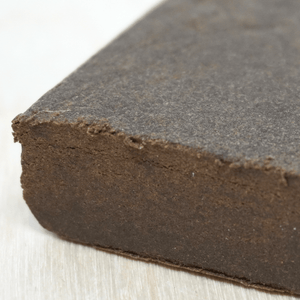
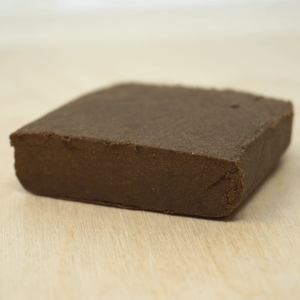
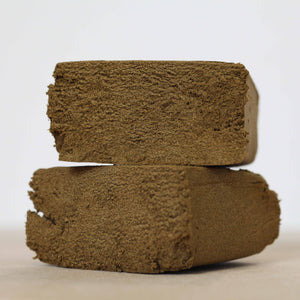
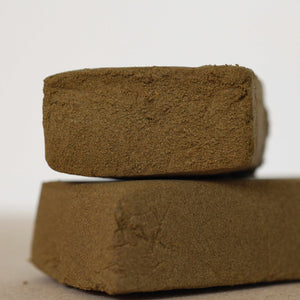
Depending on the production method, the finished hash might be:
-
Soft and pliable
-
Dry and crumbly
-
Dense and tightly pressed
-
Light brown, golden or dark brown
-
Strongly aromatic or relatively mild
Not every hash looks or feels the same. Genetics, processing, moisture and storage all influence the finished product.
Where Does Hash Come From?
Hash has a long history in regions including North Africa, Central Asia and South Asia.
Traditional production methods developed over generations, with different regions becoming associated with particular textures and processing styles.
Moroccan-style hash, for example, is closely associated with dry-sift production, while other regional traditions use different approaches to collecting and pressing resin.
These historical methods helped establish hash as a distinct product from dried cannabis flower.
Today, similar principles are used in the production of modern hemp-derived hash, although equipment, testing and processing techniques have changed considerably.
How Is Hash Made?
Most traditional hash-making methods focus on separating resin-rich trichomes from the rest of the cannabis flower.
1. Collecting trichomes
Cannabis flowers naturally produce trichomes during their development.
These small resin glands contain many of the cannabinoids and terpenes associated with the plant.
Hash production begins by separating or collecting this resin-rich material.
2. Separating resin from plant material
Different manufacturing methods can be used to separate trichomes from the flower.
Dry sieving is one traditional technique. It uses fine screens to separate resin-bearing material from larger pieces of plant matter.
Other commercial extraction techniques may rely on different physical separation processes.
The result can be a fine, resin-rich material commonly known as kief.
3. Forming the finished hash
The collected material may then be consolidated into a finished hash product.
Different commercial manufacturing techniques produce different textures, densities and appearances.
Some hash remains relatively loose or crumbly, while other products become compact and resinous.
The exact method has a major influence on the final character of the hash.
What Is CBD Hash?
CBD hash is a hemp-derived product made from plant material selected for a CBD-dominant cannabinoid profile.
CBD, or cannabidiol, is a naturally occurring cannabinoid found in cannabis.
Traditional cannabis hash is commonly associated with THC-rich plant material, whereas CBD hash is produced using hemp material in which CBD is prominent.
The finished product can contain other naturally occurring cannabinoids and terpenes.
That's why different CBD hash varieties may have different aromas, textures and laboratory-tested cannabinoid profiles.
Want to see how these products differ? Explore our CBD Hash collection at Little Collins.
What Is the Difference Between Hash and Cannabis Flower?
Both products originate from the cannabis plant, but they aren't identical.
Cannabis flower is the harvested flowering portion of the plant. It contains trichomes along with other natural plant structures.
Hash is made by concentrating resin-rich material from those flowers.
This means hash generally contains a higher proportion of resinous material than the original flower, although the exact cannabinoid concentrations vary considerably.
The two formats also differ in texture and appearance.
Flower retains its recognisable bud structure, while hash is more commonly found as compressed, crumbly or resinous material.
If you're unfamiliar with hemp flower, our guide to what CBD buds are is a useful introduction.
What Gives Hash Its Distinctive Smell?
One of the most recognisable characteristics of hash is its aroma.
Much of this comes from terpenes, naturally occurring aromatic compounds produced by many plants.
Different terpene profiles can contribute notes of:
-
Earth and wood
-
Pine and herbs
-
Citrus
-
Fruit
-
Spice
-
Floral aromas
The plant variety, resin separation method and storage conditions can all influence which aromas remain noticeable.
A stronger aroma doesn't necessarily mean a higher CBD or THC percentage.
To learn more about these compounds, take a look at our guide to terpenes in CBD.
Is Hash the Same as Kief?
Not quite.
Kief generally refers to the loose resin-rich material collected from cannabis flowers.
Hash refers to a processed product made from collected resinous material, often pressed or otherwise consolidated.
In simple terms, kief can be one of the starting materials used to produce hash.
The terms are closely connected, but they don't describe exactly the same finished product.
Does All Hash Contain THC?
Not necessarily, and the precise cannabinoid profile depends on the source material and manufacturing process.
Traditional cannabis hash commonly contains significant amounts of THC.
CBD-dominant hemp hash is designed around a different cannabinoid profile, but that does not automatically mean the finished product is THC-free.
The only reliable way to understand a particular product's cannabinoid content is to examine appropriate laboratory test results.
Product names, appearances and descriptions alone cannot establish the exact amount of CBD or THC.
Is CBD Hash Legal?
The legal status of CBD hash depends on the jurisdiction, the material involved and the applicable rules.
Pure CBD and cannabis plant material are not always treated the same way under drug laws.
In Ireland and the UK, cannabis resin and products containing controlled cannabinoids are subject to specific legal restrictions. Low THC percentages alone do not necessarily establish that a finished hash product is lawful.
For authoritative information, consult the Food Safety Authority of Ireland and the UK Home Office guidance on cannabis and CBD.
Explore CBD Hash at Little Collins
At Little Collins, we're interested in the details that give different hemp products their character, from their cannabinoid profiles to their natural aromas and textures.
Our CBD hash range features a selection of styles, allowing customers to explore the differences between hemp-derived resin products.
You can explore our CBD Hash collection to view the current selection and individual product information.
Medical and Legal Disclaimer: This article is provided for general educational purposes only and does not constitute medical or legal advice. Little Collins does not recommend CBD or cannabis products for treating, preventing or curing any medical condition. Cannabis and cannabinoid laws vary by jurisdiction and product type. Consult a qualified healthcare professional for medical questions and a qualified legal professional for advice about applicable laws.