
How Cannabis Compounds May Work Better Together
Cannabis isn’t just about THC or CBD anymore. Over the last decade, researchers and consumers have started paying attention to something called the entourage effect — the idea that cannabis compounds work better together than on their own.
Here’s a stat that puts things into perspective: the cannabis plant contains over 120 cannabinoids and more than 140 terpenes, yet most products for years focused on just one compound at a time. That shift in thinking has changed how people choose CBD oils, flower, and extracts — and it’s why full-spectrum products are now in such high demand.
In this guide, we’ll explain the entourage effect in simple terms, what the science says, how it feels in real life, and how you can use this knowledge to make better CBD and cannabis choices.
What Is the Entourage Effect?
In simple terms, the entourage effect is the theory that cannabis compounds work better together than they do alone.
Instead of one ingredient doing all the work, cannabinoids like CBD and THC, along with terpenes and other plant compounds, interact and support each other.
A good way to think about it:
· One musician can sound good
· A full band usually sounds better
Cannabis works in a similar way. Each compound has its own role, but together they can create a more balanced and effective result.
Does the Entourage Effect Really Exist?
Short answer: maybe — but it’s not fully proven yet.
What research suggests
· Animal and cell studies show cannabinoids can work better in combination
· Small human studies suggest full-plant extracts may outperform isolates
· A 2010 study found people with cancer pain experienced better relief from a THC + CBD combination than THC alone
Where research falls short
· Results are not always consistent
· Human studies are limited
· Effects can vary from person to person
So while the entourage effect is a strong theory supported by early evidence, scientists agree that more research is needed before making definitive medical claims.
What Compounds Are Involved in the Entourage Effect?
Cannabis is chemically complex. That’s what makes the entourage effect possible in the first place.
Cannabinoids
These are the compounds most people recognise.
THC (Tetrahydrocannabinol)
· Causes the “high”
· May help with pain, appetite, and nausea
· Can cause anxiety or brain fog in some people
CBD (Cannabidiol)
· Non-intoxicating
· May help with inflammation, anxiety, seizures, and pain
· Often balances the effects of THC
Minor Cannabinoids
· CBG, CBN, CBC, THCA
· Present in smaller amounts
· May support sleep, inflammation control, or relaxation
Terpenes
Terpenes are aromatic compounds found in cannabis and many other plants like lavender, citrus, and pine.
They:
· Give cannabis its smell and flavour
· May influence mood, alertness, or relaxation
· Can affect how cannabinoids behave in the body
Check out our blog ultimate guide on Terpenes.
Other Plant Compounds
Flavonoids and other phytochemicals may:
· Support brain health
· Reduce inflammation
· Enhance the overall effect of cannabinoids
How CBD and THC Interact
CBD and THC both interact with the endocannabinoid system (ECS), which helps regulate balance in the body.
When taken together:
· CBD may reduce THC-related anxiety or paranoia
· THC may enhance pain relief when paired with CBD
· The experience often feels smoother and more balanced
This interaction is a key reason the entourage effect has gained attention.
Example:
Someone using THC for pain may feel anxious. Adding CBD can soften that edge without removing the benefits.
Potential Benefits of the Entourage Effect
Based on current research, the entourage effect may support:
· Better pain relief
· Reduced seizure frequency
· Improved inflammation control
· Fewer THC side effects
· More balanced mood effects
A meta-analysis of epilepsy patients found that CBD-dominant cannabis extracts required lower doses than pure CBD to reduce seizures — suggesting synergy at work.
What Does the Entourage Effect Feel Like?
This varies from person to person, but people often describe it as:
· More balanced
· Less “jittery” than THC alone
· Longer-lasting effects
· More body-focused and calm
Example:
Think of drinking coffee on an empty stomach versus coffee with food. Same caffeine — different experience. That’s similar to how cannabinoids behave with or without supporting compounds.
Examples of the Entourage Effect in Action
· CBD + THC → pain relief with fewer side effects
· CBD + Limonene → calmer mood with mental clarity
· THC + Myrcene → deeper relaxation or sleep support
· Pinene + THC → may help counter memory fog
Strain profiles matter far more than THC percentages alone.
What Is the Best THC to CBD Ratio?
There is no universal best ratio.
Research has explored CBD-dominant ratios such as 1:39 THC to CBD, which may help with:
· Anxiety
· Inflammation
· Pain
· Depression
But the ideal ratio depends on:
· Your body
· Your tolerance
· Your goal (sleep, calm, focus, pain relief)
Always start low and adjust slowly.
Is One Compound Still Beneficial on Its Own?
Yes.
CBD isolate can still be effective, and there are FDA-approved single-compound medicines like Epidiolex for seizure disorders.
That said:
· Isolates = precision
· Full-spectrum = synergy
Neither is “better” — just different tools for different needs.
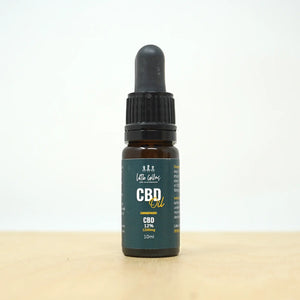
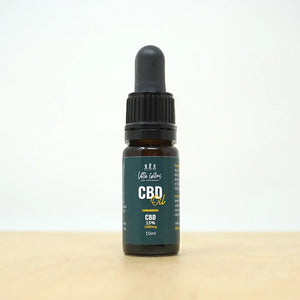
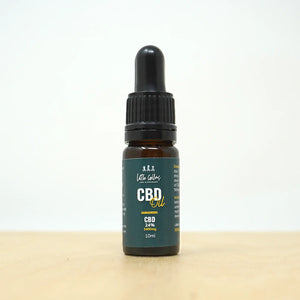
Check out our range of Full Spectrum CBD Oils.
Cannabis Flower vs Extracts
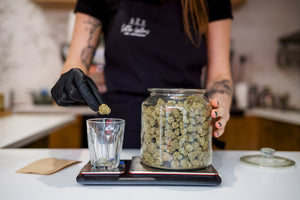
Cannabis Flower
· Naturally rich in cannabinoids and terpenes
· Often preferred for entourage effect experiences
Full-Spectrum Extracts
· Preserve multiple compounds
· Available as oils, capsules, vapes
Broad-Spectrum Extracts
· THC removed
· Retain terpenes and minor cannabinoids
Isolates
· Single compound only
· No entourage effect
Limitations and Ongoing Research
The entourage effect:
· Is not fully proven
· May vary by person
· Depends on dosage, delivery method, and biology
Some studies show no interaction at cannabinoid receptors, suggesting synergy may happen elsewhere in the body.
Science is catching up — but cautiously.
Takeaway: What the Entourage Effect Really Means
The entourage effect doesn’t mean “more is better.”
It means balance matters.
Cannabis isn’t one compound — it’s a complex plant with many moving parts. Understanding how those parts work together helps you choose smarter, safer, and more effective products.